
There is a certain mood that settles over the property industry when the market becomes harder.
People become more cautious. Capital becomes more selective. Buyers take longer to decide. Feasibilities get tighter. Projects are tested more heavily, and suddenly the assumptions that worked in a rising market need to earn their place.
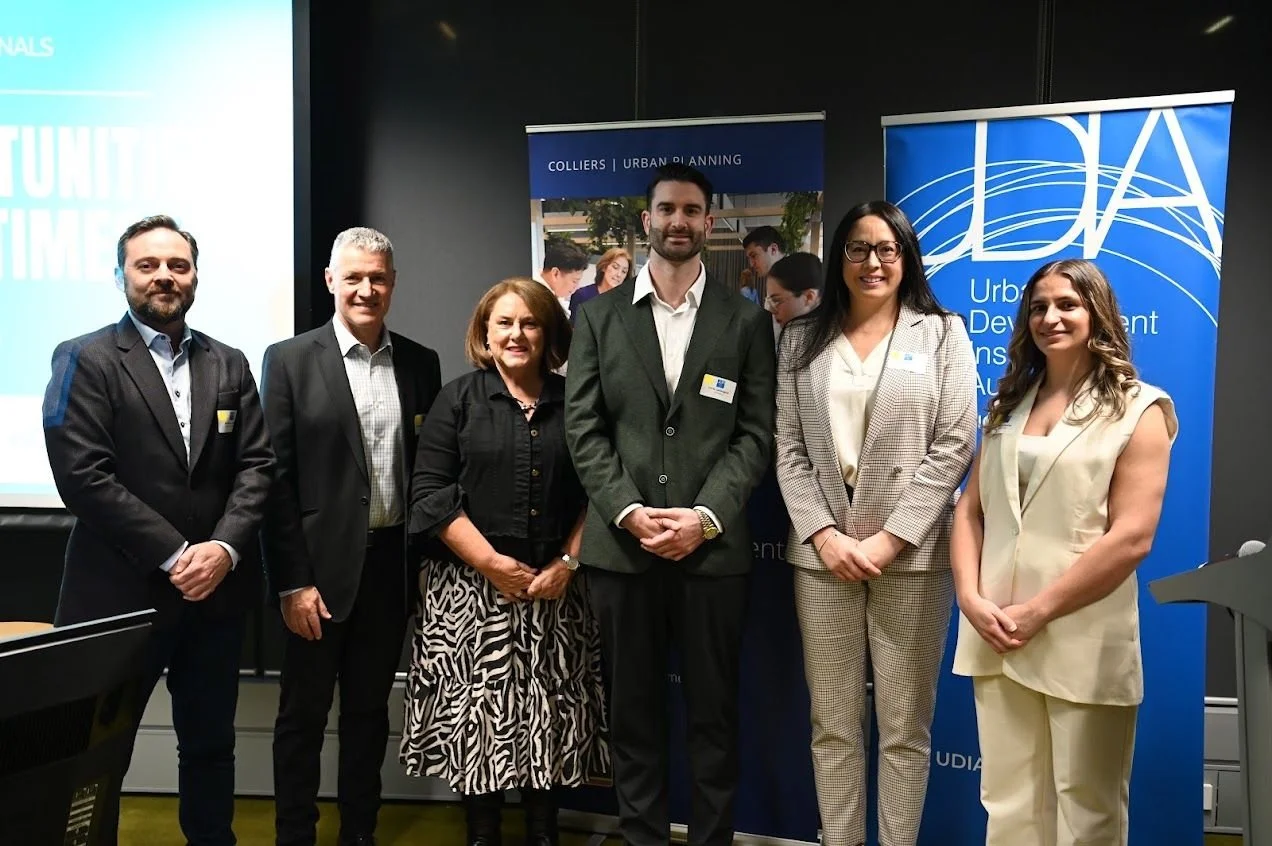
That was the backdrop to the recent UDIA Victoria Outlook Young Professionals panel, Emerging Opportunities in Uncertain Times, where I joined a discussion about market conditions, customer expectations, leadership and the future of Victoria’s property industry.
The title was well chosen. Uncertainty does not remove opportunity. It does, however, remove the margin for lazy assumptions.
The projects that will succeed in this market will be more disciplined, more customer-led and much clearer about why someone should act.
1. The overlooked opportunity is sharper customer alignment
In Victoria, it is easy to talk about housing supply as one large, urgent problem. But customers do not buy supply in aggregate. They buy a home that works for their budget, household, commute, family, life stage and sense of security.
That is where I think one of the greatest overlooked opportunities sits.
Not simply in producing more dwellings, but in delivering homes and communities deliberately matched to the real constraints, motivations and anxieties of today’s buyers.
Buyers are still there. People still need to move, downsize, separate, invest, form households, live closer to family, access schools or get a foot on the property ladder. Demand has not disappeared. What has changed is the level of confidence required before people commit.
That means product, price, message and sales process all need to work harder.
2. Risk management should build buyer confidence
Developers are understandably focused on managing risk: costs, planning delays, funding, delivery programmes, absorption rates and margin pressure.
But buyers are doing their own risk assessment too.
Can I afford this? Will it settle when expected? What are the ongoing costs? Is the value clear? Can I trust the developer? Will this community work for my life?
Too often, risk management remains internal. It protects the feasibility, but does not always translate into greater confidence for the customer.
That is a missed opportunity.
In this market, risk discipline needs to become visible through clearer pricing, realistic delivery timeframes, transparent inclusions, simple explanations of the buying process, better communication and stronger sales guidance.
When buyers feel cautious, they do not need more spin. They need evidence, clarity and trust.
3. The future community will be defined by belonging
Transport, schools and retail will always matter. But by the 2030s, they will be the baseline.
The defining feature of successful communities will be belonging, supported by everyday convenience.
People will still ask about the commute, the local school and the shops. But they will also ask: will my life work here? Will I feel safe? Can my children play? Can I work flexibly? Can I walk somewhere useful? Will I know my neighbours? Does this feel like a place I can belong, not just a place I can afford?
The shift is from amenity as a checklist to community as an experience.
4. Customer understanding is commercial intelligence
One of the strongest messages I wanted to leave with the young professionals in the room was simple: give a stuff about your customer.
Do not be afraid of them. Find opportunities to talk to them. Listen to what they are worried about. Understand what gives them confidence. Learn what they are trying to solve.
That is not soft. It is commercial intelligence.
At the end of every feasibility is a person deciding whether a home works for their life.
The customer will often tell you things the spreadsheet cannot: where the value proposition is unclear, where the sales process creates doubt, where the product does not match the price, or where the project is making the decision harder than it needs to be.
5. Why I am optimistic
I am genuinely optimistic about the future of Victoria’s property industry, and one reason is the quality of emerging leaders coming through.
Many of the young professionals I meet are poised, curious, open to different ideas and ambitious about the kind of industry they want to be part of. They are asking better questions and challenging old assumptions.
That gives me confidence.
But the challenge for this next generation is to stay close to the customer, close to the numbers and close to the real-world consequences of development decisions.
Opportunity is still there. But it is more targeted, more demanding and less forgiving.
That is not a bad thing.
It may be exactly what pushes the industry to deliver better projects, stronger communities and a more customer-led approach to development.