What A Regional Town Taught Me About Why Developers Should Always Ask First
There's a version of property development that goes like this: secure the land, get the rezoning, prepare the plans, build the thing. Community engagement, if it happens at all, is a checkbox - a public notice in the local paper, a statutory exhibition period, a handful of objections to manage.
And then there's the version that actually works.
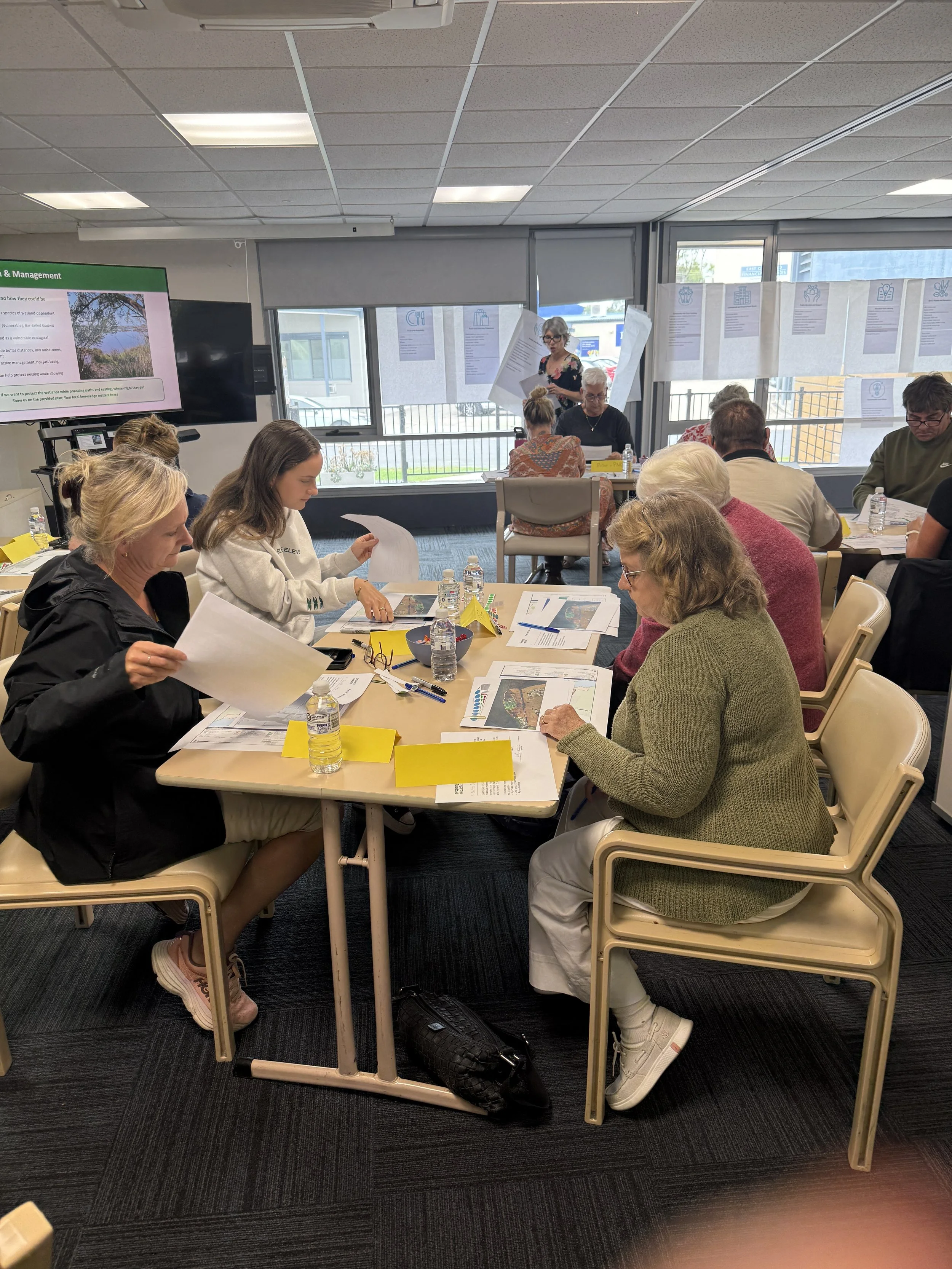
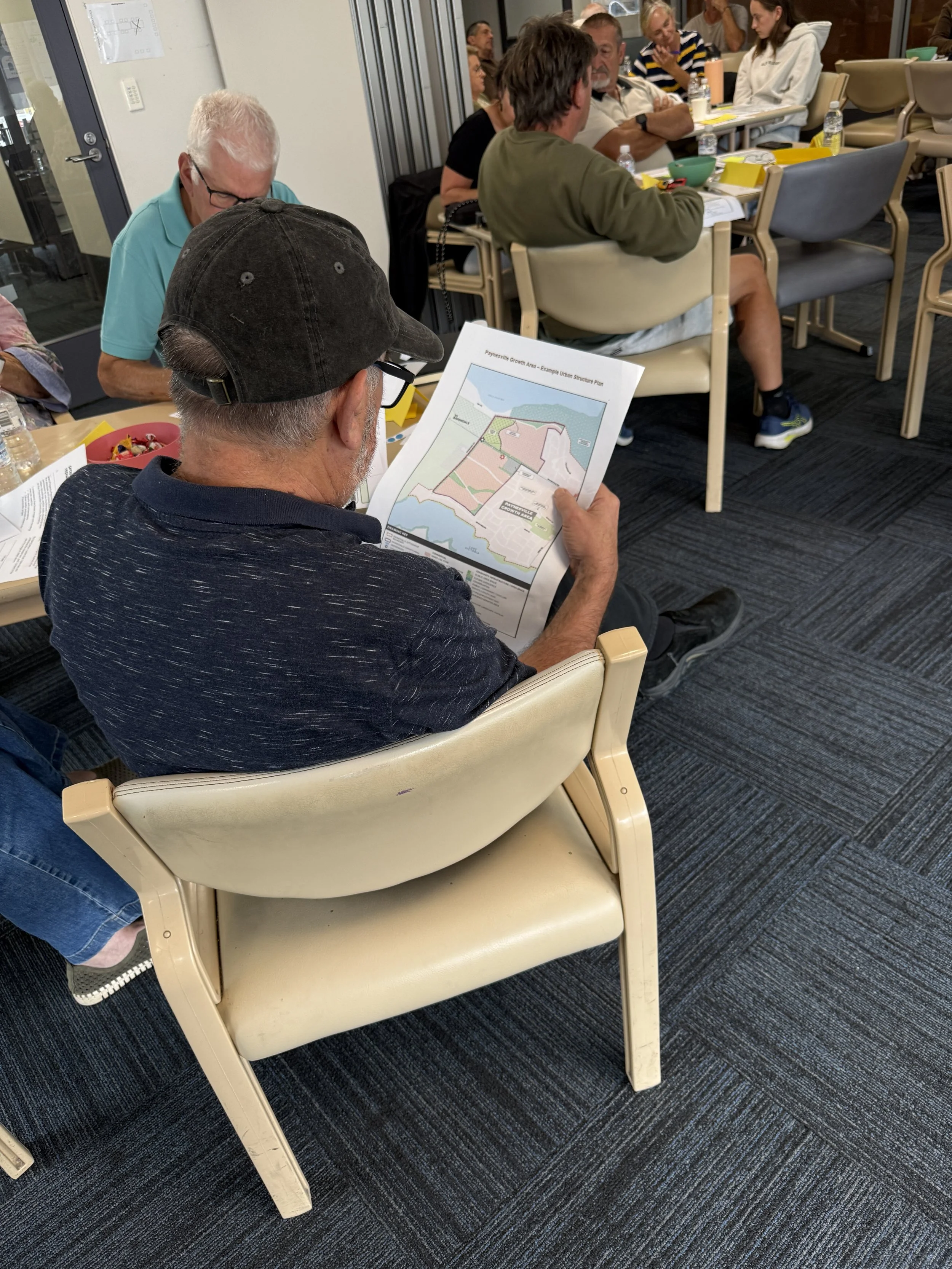
Earlier this year, Property Republic was appointed as an independent community engagement consultant for the developers of a regional growth area. Our job was to go into the community before the Development Plan was prepared - before the design decisions were locked in - and genuinely ask: what matters to you?
What followed was one of the most instructive engagement processes I've been involved in - and not always in the ways you might expect. Some residents were frustrated that we were there at all, viewing any engagement as legitimising a development they simply didn't want. Others questioned whether their feedback would genuinely influence anything, or whether this was just a box-ticking exercise dressed up as consultation. That kind of pushback is uncomfortable in the moment, but it's also exactly the point. When people are passionate enough about where they live to show up and tell you to your face that they don't trust the process, that's not a problem to manage - that's information you can't afford not to have. And it reinforced something I believe every developer in this country should be thinking seriously about.
What We Did
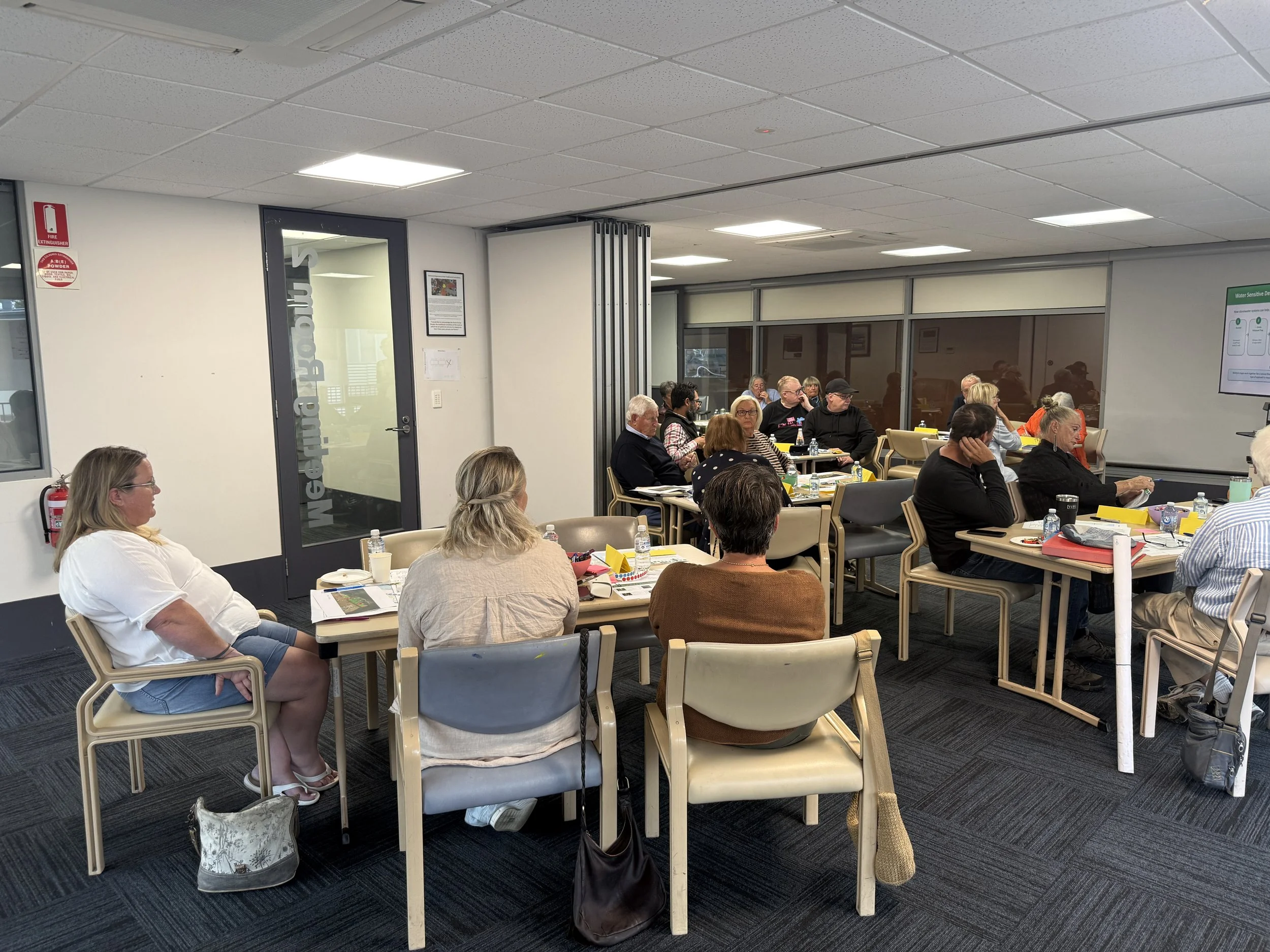
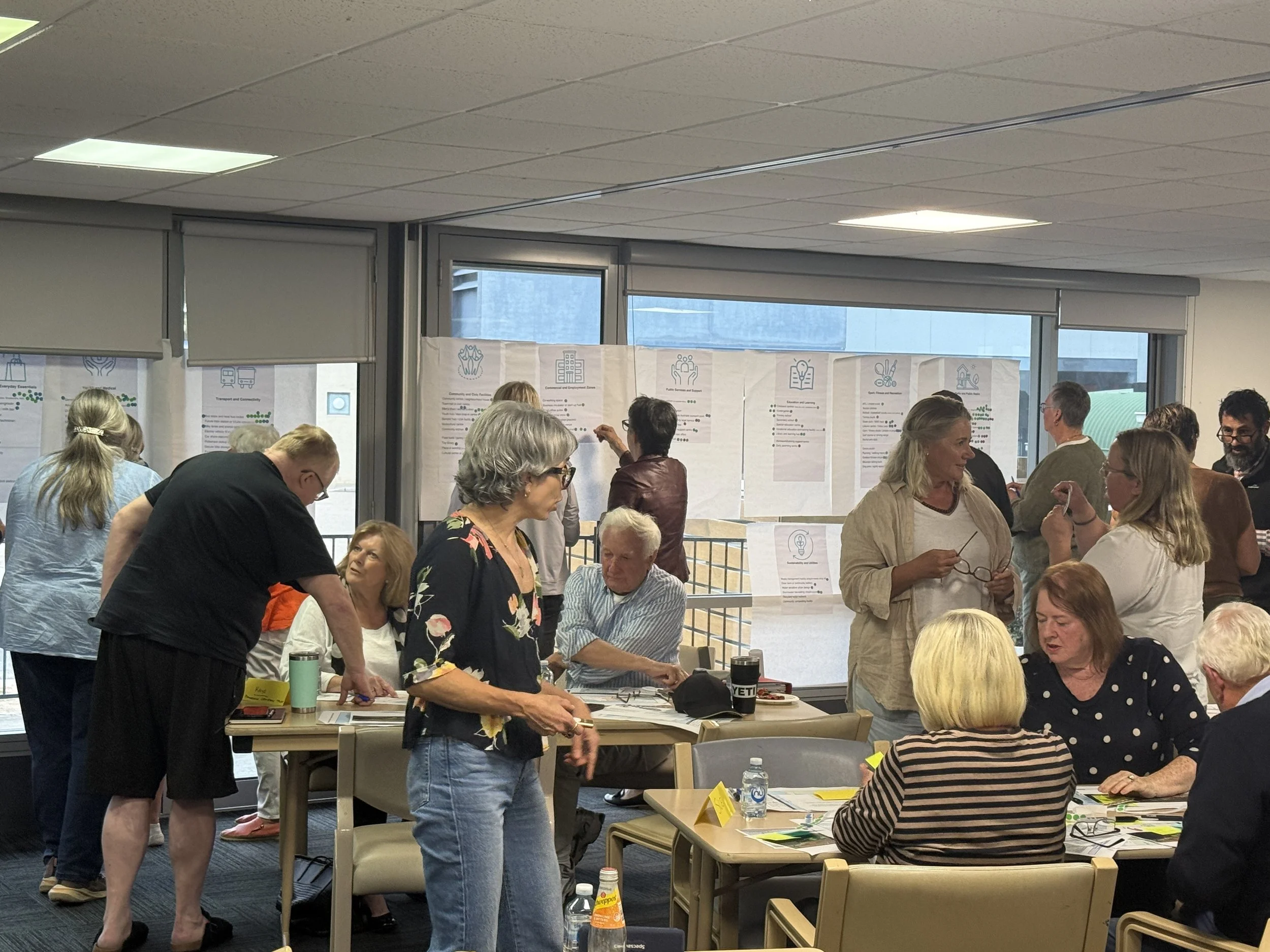
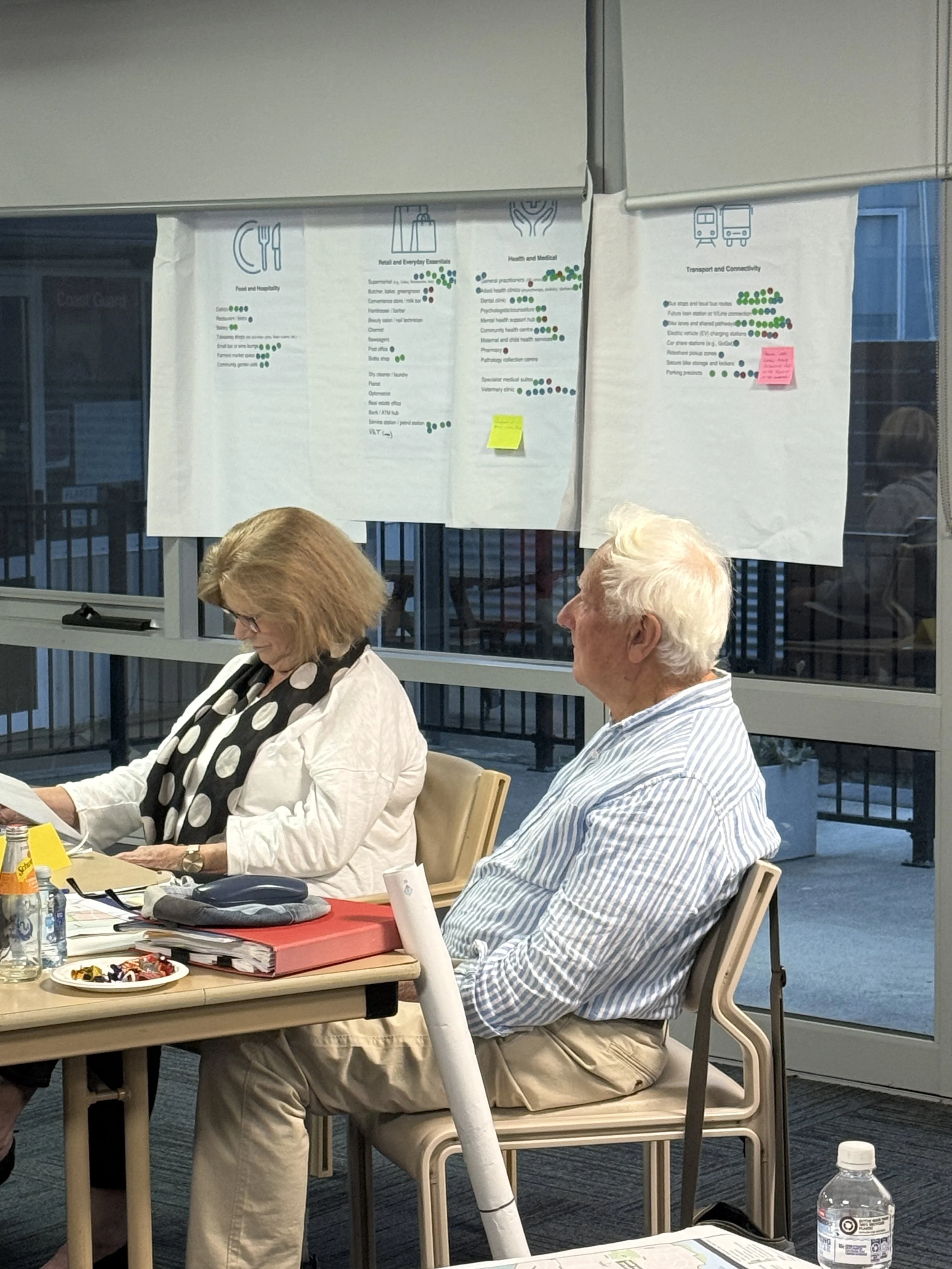
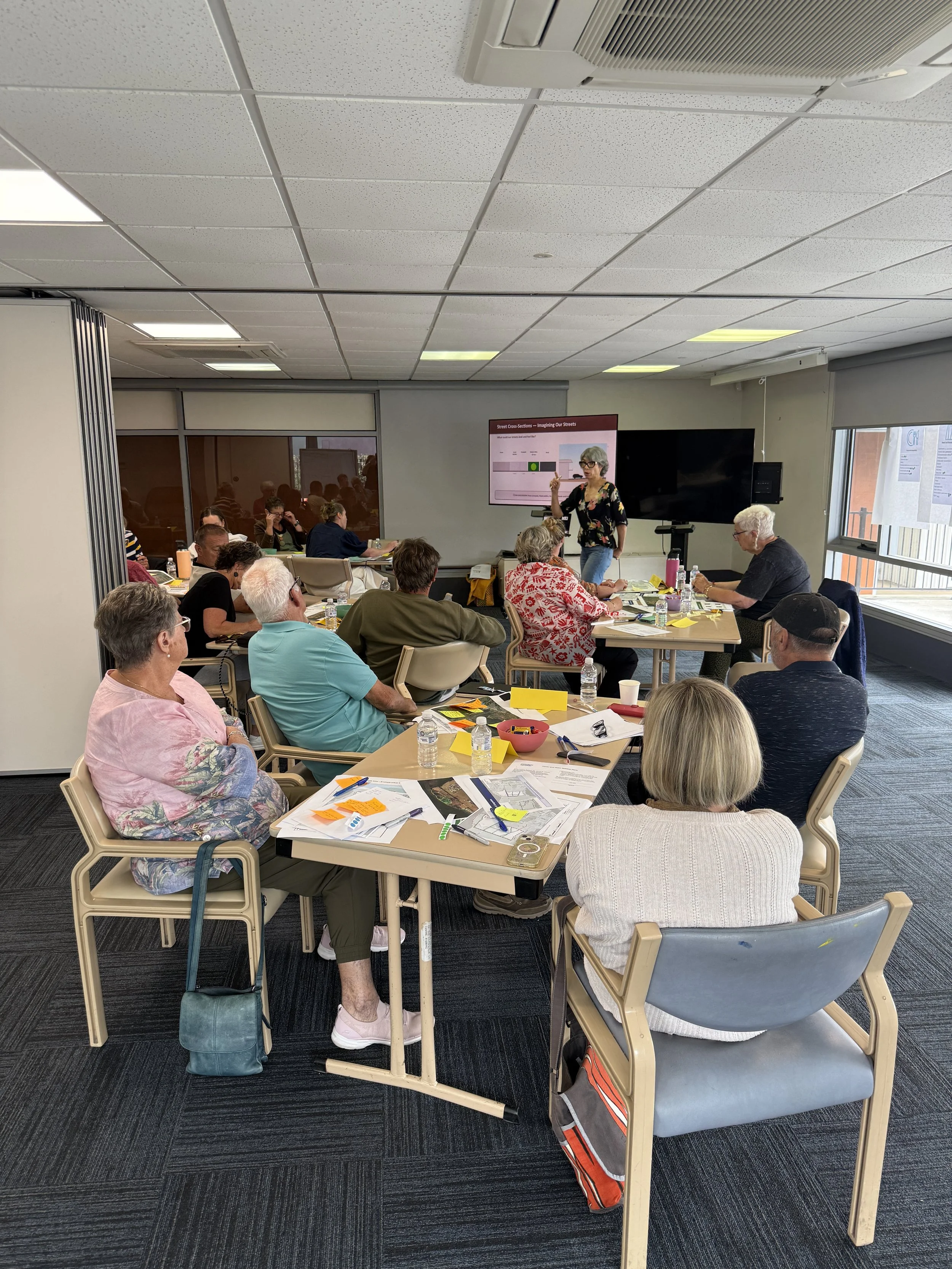
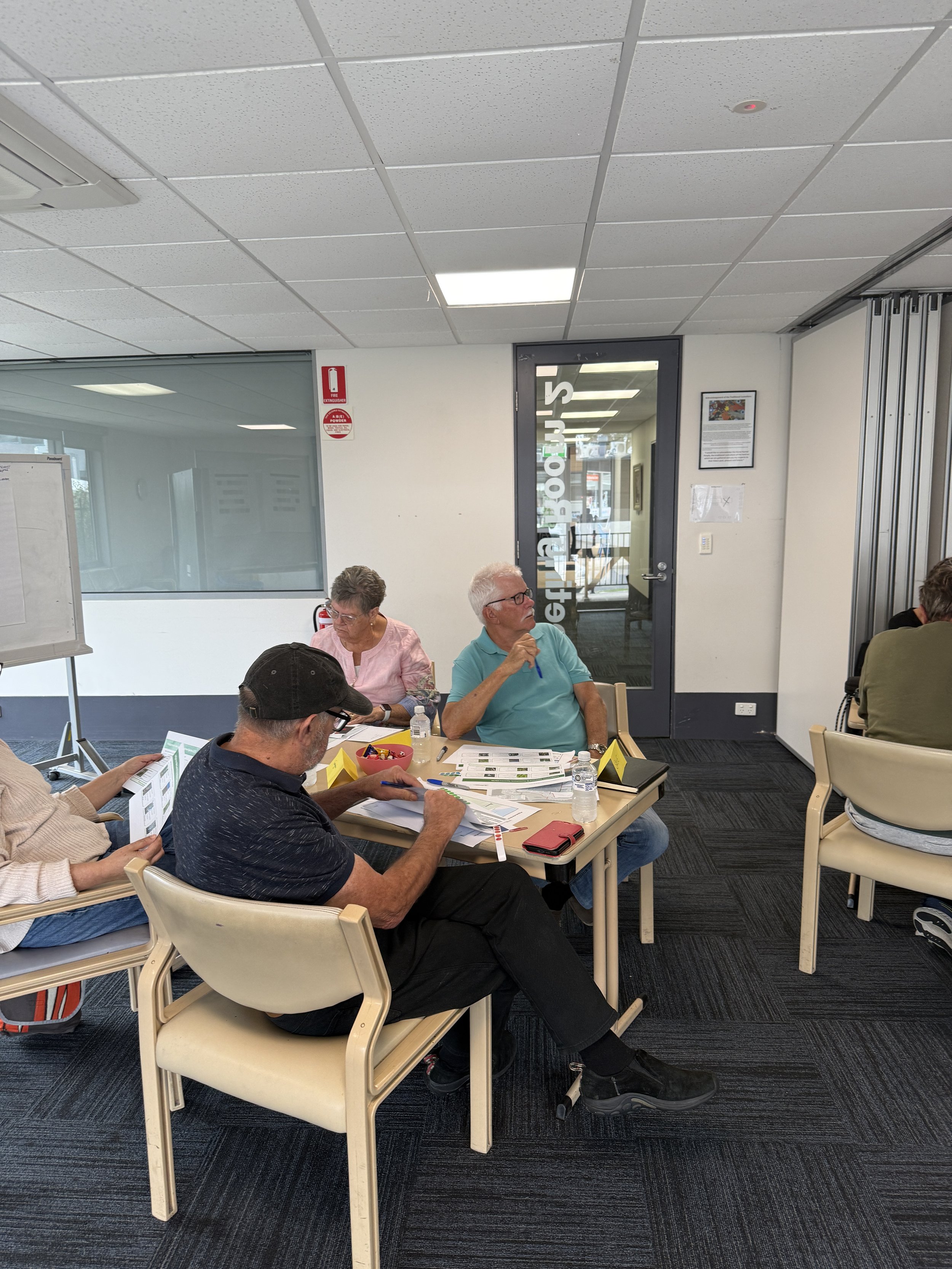
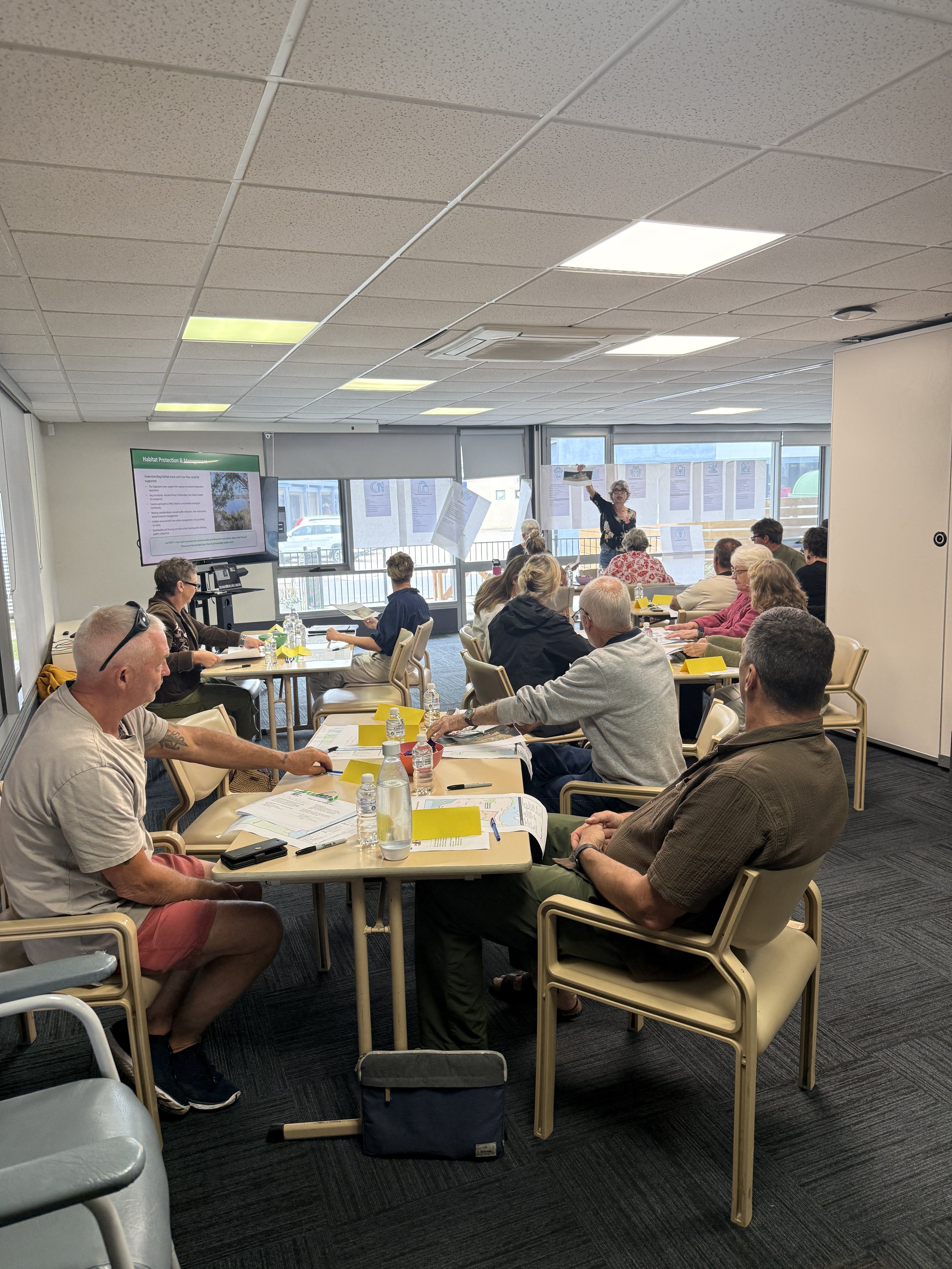
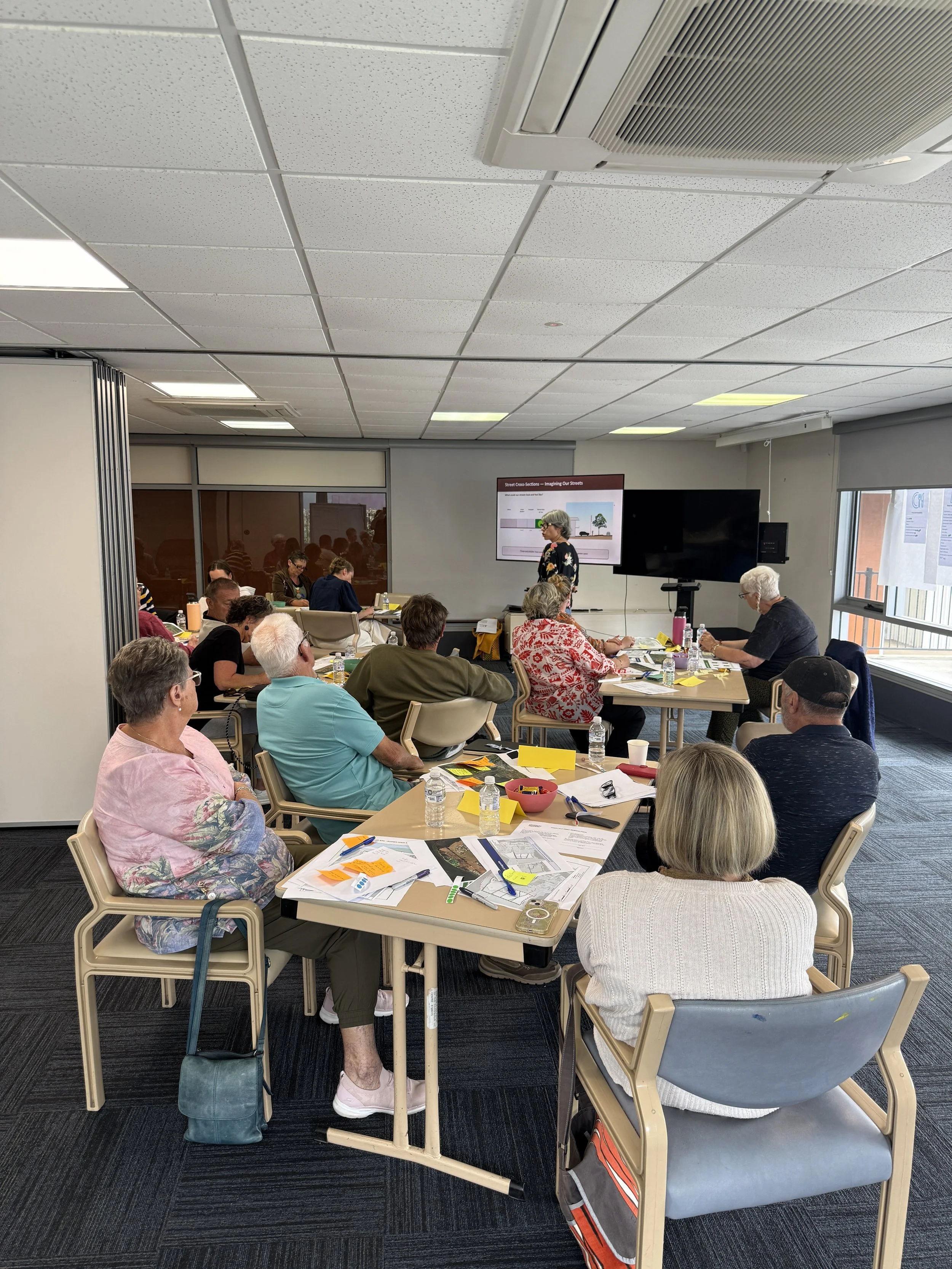
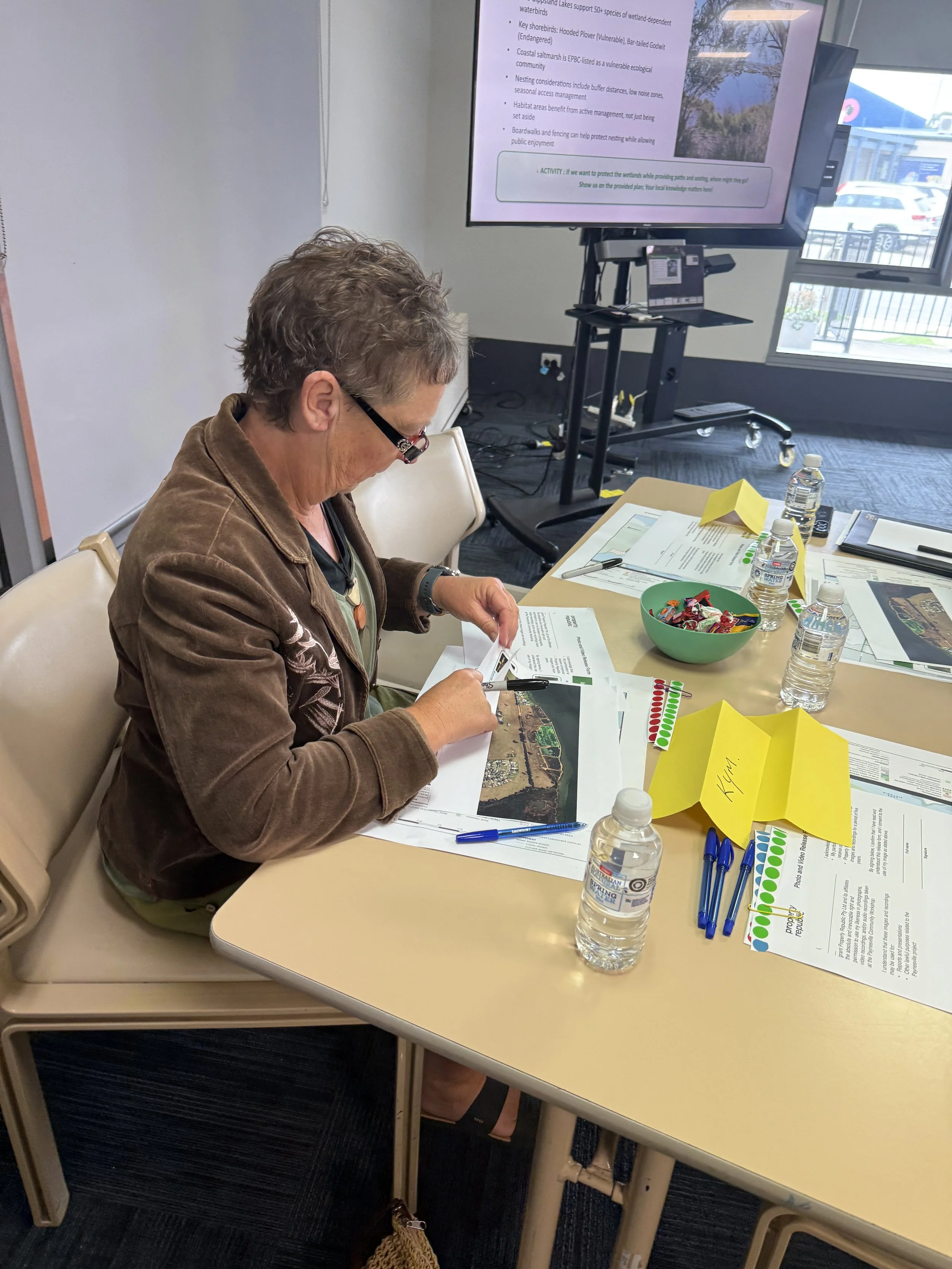
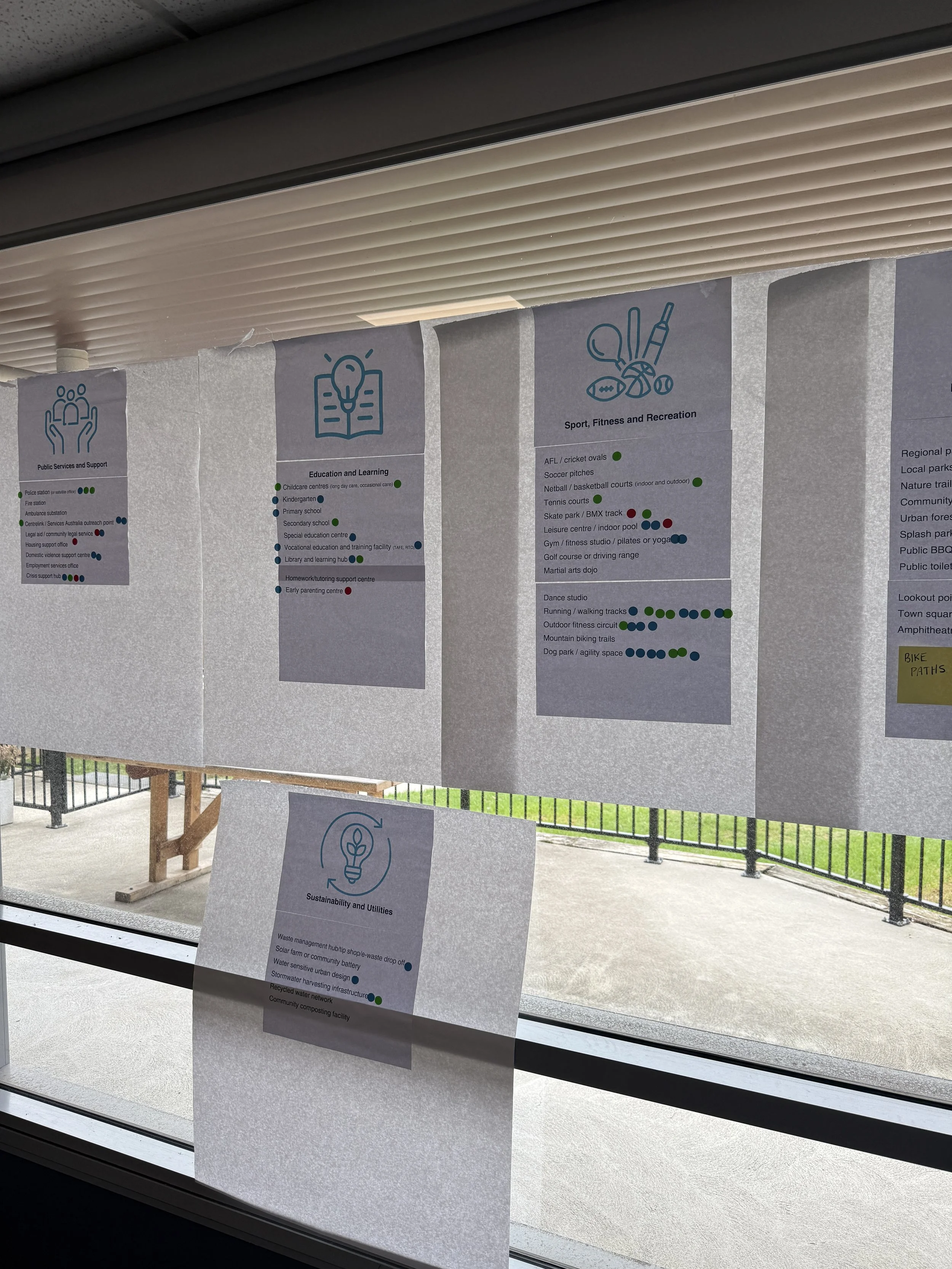
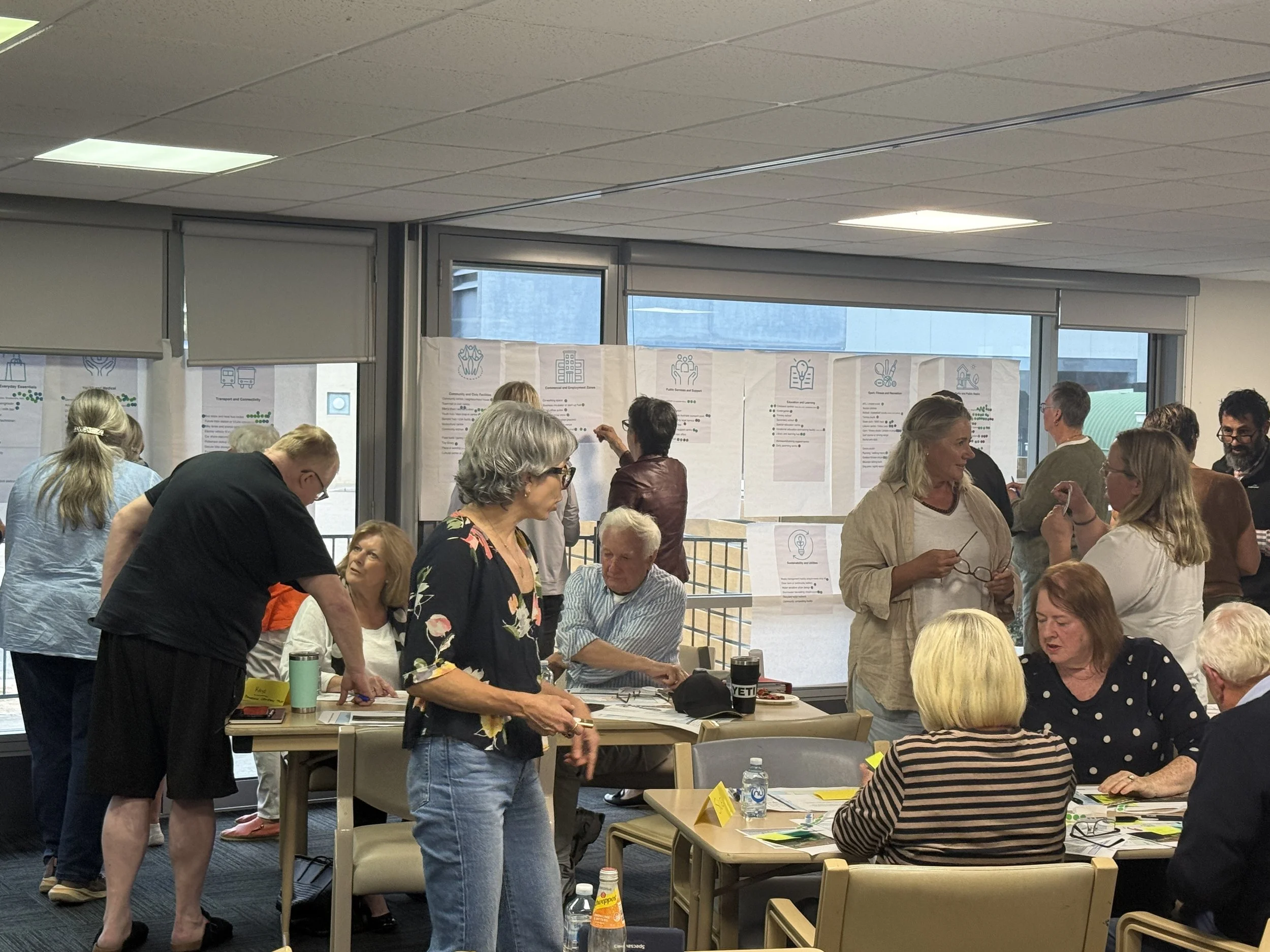
We ran an online survey, held two facilitated community workshops - one during the day and one in the evening to make sure different people could attend - and before the workshops, I personally called the vast majority of people who had registered to attend, asking what they hoped to discuss and what questions they needed answered.
That last step matters more than people might think. By the time residents walked into the room, they knew someone had actually listened to them before the event even started.
What the Community Told Us
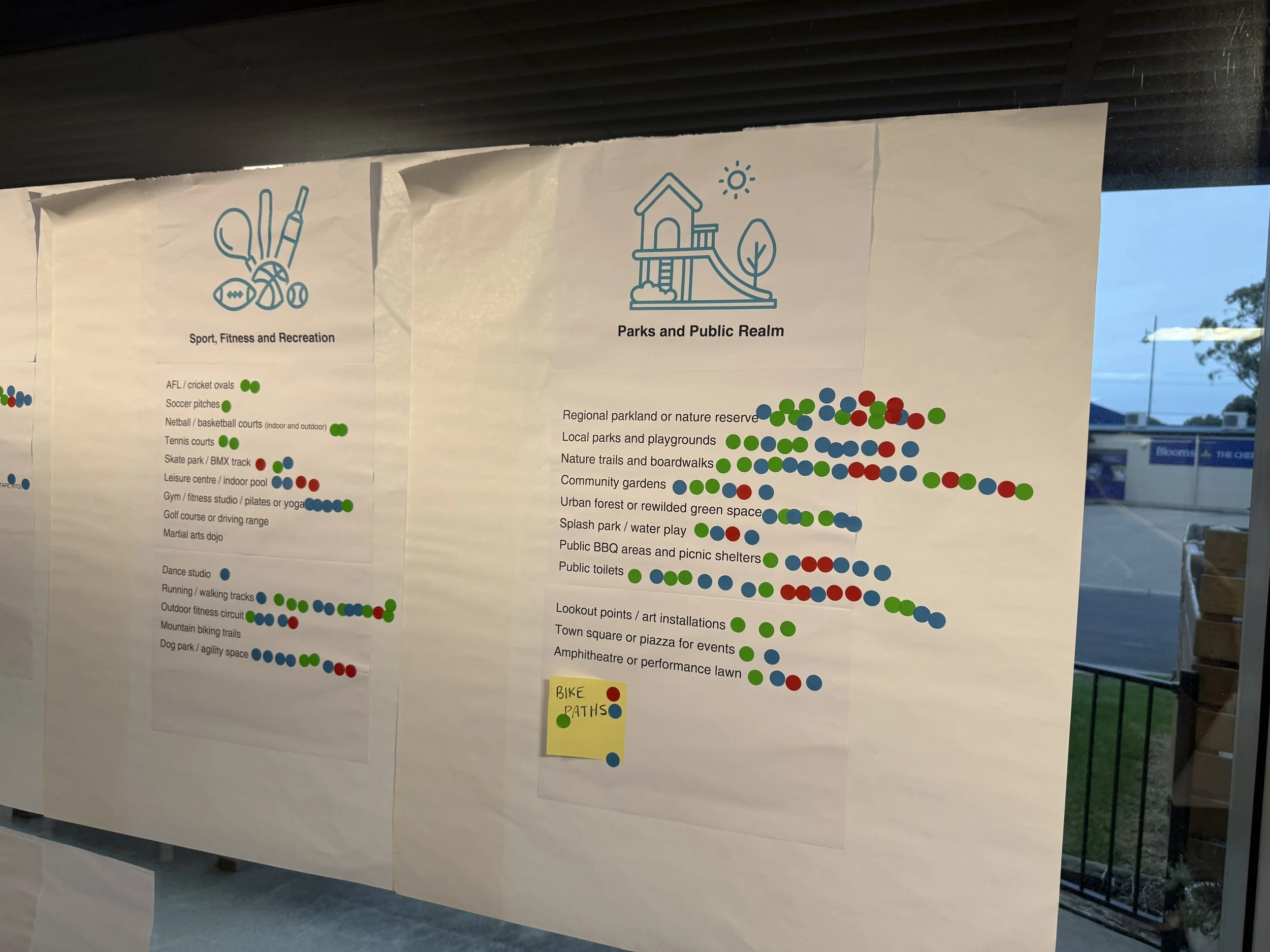
The feedback was clear, consistent, and - importantly - constructive. The residents are not anti-development. They understand that population growth is coming. What they are is specific about how it should happen.
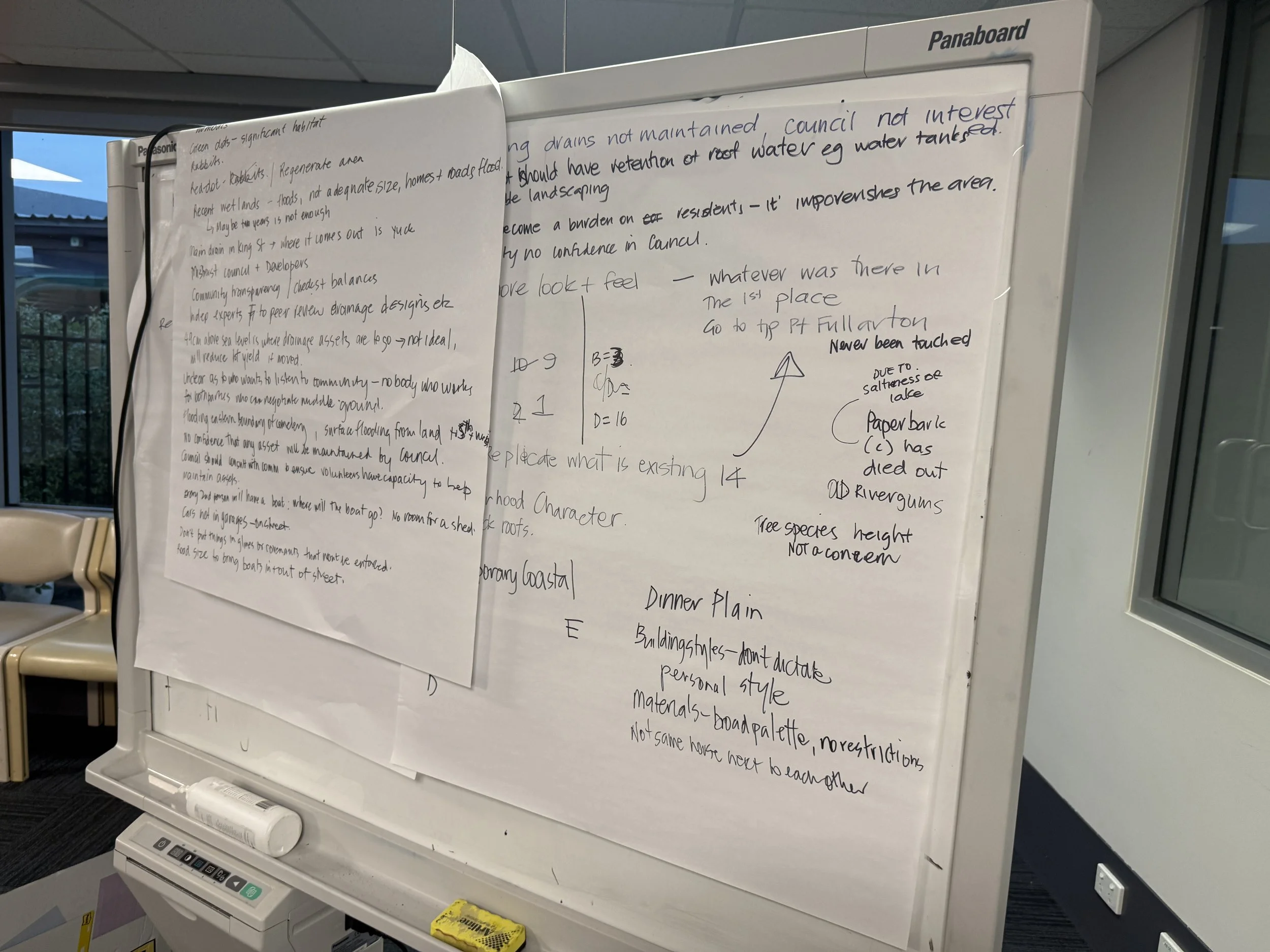
The foreshore came first. Protecting the lake foreshore and surrounding wetlands was the single most important issue raised across every channel. The majority of survey respondents wanted dedicated wetlands and vegetated buffers rather than housing right at the water's edge. This isn't obstruction - it's a community telling a developer where the heart of the place is.
Infrastructure came next. Residents were emphatic: roads, drainage, sewerage and services need to keep pace with growth, not chase it. Traffic safety was a genuine concern - and with essentially one road in and one road out, that's not a planning abstraction. It's a daily reality for the people who live there.
Then came character. The strongest preference was for development that felt like a small lakeside town - not a Melbourne suburb. Residents didn't want rows of identical houses. They wanted streets designed for people who own boats, because in this town, almost everyone does.
And underneath all of it was a baseline of distrust. Workshop participants used the word clearly: they didn't trust Council, they didn't trust developers, and they didn't trust the process. Not because they were hostile, but because nobody had given them a reason to trust it yet.
Why This Changes Everything
Here's what I want every developer to understand about what came out of this process.
The community's priorities aren't obstacles to good development. They are good development.
Protecting the foreshore generously doesn't just satisfy community expectations - it protects the natural asset that gives every lot in that estate its premium value. Delivering infrastructure first isn't just a community demand - it's the difference between a neighbourhood people want to live in and one they resent from day one. Designing for boats and sheds and real regional life isn't a concession - it's a market advantage.
When you ask a community what they value before you design, you don't just get better community relations. You get better product.
The Opportunity in Transparency
One of the clearest themes from our report was the need for what we called radical transparency - a single public source of truth about the project that the community can check, hold the developer to, and trust. Not flashy. Not expensive. Just accurate, current, and honest.
The community told us they'd been left in the dark. That rumours were filling the information void. That they couldn't find out what had already been decided and what could still change.
A project information portal costs almost nothing. The trust it builds is worth everything.
What I'd Tell Any Developer
Do this early. Before the plans. Before the design brief. Before you think you know what the community wants.
Because here is what I learned from this regional town: communities are not uniformly opposed to development. They are opposed to development that ignores what makes their town worth living in. The distinction matters enormously - because one is a problem you can't solve, and the other is an invitation.
Ask first. Listen properly. Turn what you hear into design decisions you can point to and say: we heard you, and here's what we did about it.
That's not idealism. That's how you build communities that last.